Independent LCA confirms lower environmental footprint of #tide® recycled plastic
July 22, 2022
Looking for our LCA & Environmental Data?
This article was originally published in July 2022 following the completion of our Life Cycle Assessment by Carbotech. For an overview of the findings, methodology and environmental performance of our recycled materials, visit our dedicated LCA & Environmental Data page.
 Collecting and recycling ocean-bound plastic requires energy, transportation and processing. But how do these environmental impacts compare with those of producing virgin plastic?
To answer this question, #tide® commissioned independent Swiss environmental consultancy Carbotech AG to conduct a Life Cycle Assessment (LCA) of our recycled PET (rPET) and polypropylene (rPP), with an external review by myclimate.
The study examined our supply chain, including collection, transportation, energy consumption and recycling processes, and compared our materials with virgin and conventionally recycled plastics.
Significantly lower greenhouse gas emissions than virgin plastic
The LCA found that #tide® rPET supplied to the European market generates approximately 79% fewer greenhouse gas emissions than virgin PET produced in Europe, based on the scenarios assessed.
For recycled polypropylene (rPP), the study found approximately 50% lower greenhouse gas emissions compared with virgin PP produced in Europe.
How does #tide® compare with European recycled plastic?
The study also compared #tide® materials with conventionally recycled plastics.
The results showed that #tide® rPET performed better than the European rPET reference in the assessment, while Swiss recycled PET had the lowest carbon footprint among the PET alternatives examined.
The findings highlight how collection systems, energy sources, processing and transportation influence the environmental performance of recycled materials.
Environmental benefits beyond carbon emissions
Beyond greenhouse gas emissions, the study examined the environmental benefits associated with removing plastic pollution.
Using the Ecological Scarcity Method, Carbotech found that the calculated environmental benefits of removing plastic waste significantly outweighed the impacts associated with collecting, transporting and recycling it.
The study concluded:
"Collecting ocean-bound plastic for sourcing starting materials is an environmentally meaningful activity."
— Carbotech AG
At the same time, the report emphasised that functioning waste-management systems that prevent plastic pollution in the first place remain preferable.
Alongside collecting and recycling ocean-bound plastic, #tide® works with local partners to help develop waste-management infrastructure in the regions where we operate.
The LCA was completed in June 2022. Its findings relate to the supply chains and reference scenarios assessed at that time.
For more information about our LCA findings and environmental data, visit our dedicated LCA & Environmental Data page.
Related news
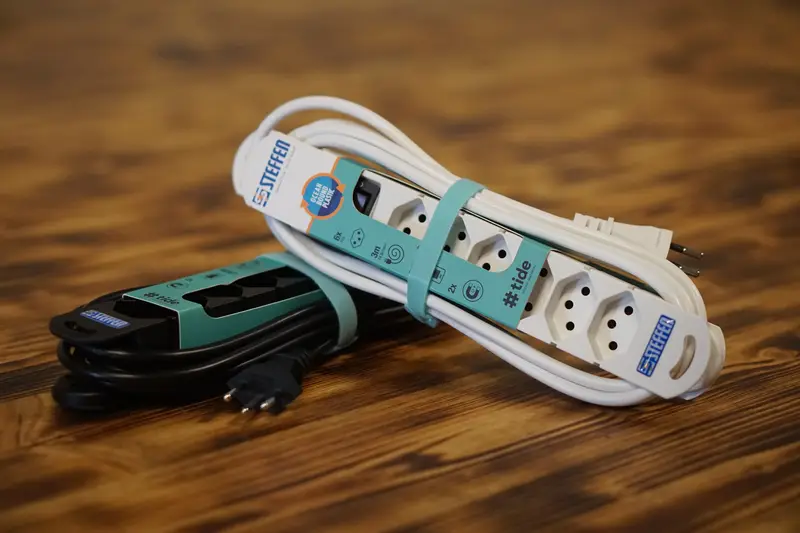
Powering Responsibility: Steffen Launches First Power Strip Made From Ocean-Bound Plastic
Small changes, big impact: Swiss heritage brand A. Steffen AG introduces a power strip made from ocean-bound plastic. With recycled polypropylene from #tide®, this everyday device delivers quality, responsible electronics, and circular economy thinking – straight to your socket.
- #milestones
- #products
September 21, 2025

Diving into a Cleaner Future
Italian diving brand C4 unveils fins made from #tide ocean material—a new depth of sustainability, introduced by none other than World Champion Umberto Pelizzari.
- #products
- #innovation
- #milestones
March 25, 2025

How recycled plastics can help turn the automotive industry circular
Discover the role that the automotive industry will play in the transition to a circular economy.
- #awareness
- #milestones
August 5, 2024